


 Tucket News Hub
A Christmas break is perfect for reflection.
For me it meant sitting beneath a giant oak tree in Waikanae, contemplating everything from the wonders of the universe to a more unsettling question: could Donald Trump undo thousands of years of humanity building in just four years?
In recent columns I’ve circled around what might seem like a sub issue to these global anxieties: our abject lack of community preparedness for the civil emergencies we know are coming. But the more I’ve written, the clearer two things have become.
1. We have the means – but not the motivation.
New Zealand is not short on capability, resources, or knowledge. What we lack is the collective will and leadership to make the shift toward genuine community resilience.
2. Resilience is not a niche concern – it’s the antidote to declining social cohesion.
If we reframed emergency resilience as a central pillar of community life, rather than a side project, we’d find it also strengthens the everyday fabric of society – things like safety, belonging, youth wellbeing, food security, and trust.
In any crisis, people respond in wildly different ways. Some freeze. Others step forward.
The difference often comes down to confidence – knowing what to do and knowing that others around you know, too. That confidence doesn’t appear magically in an emergency; it’s built long before one arrives.
And here’s the uncomfortable truth: civil emergencies are best managed when communities themselves are empowered to act. The same is true for everyday challenges like loneliness among older people, youth delinquency, or neighbourhood safety. These issues are solved most effectively when communities have the authority, resources, and trust to respond as they see fit.
So why, then, are central and local governments so reluctant to let go of power? Why is public funding still used as a mechanism of control rather than empowerment?
If we want resilient communities, we must stop treating these communities as passive recipients and start recognising them as capable leaders of their own destiny.
The blueprint already exists.
Years ago, I came across a book that offered what felt like the perfect model for resilience and social cohesion: Wayfinding Leadership by Dr Chellie Spiller (Ngāti Kahungunu, Pākehā), Hoturoa Barclay Kerr (Tainui), and John Panoho (Parawhau, Te Uri Roroi, Ngāti Whātua, Ngāi Tawake ki te Moana, Ngāpuhi Nui Tonu).
The authors draw on the extraordinary feats of ancient waka navigators – wayfinders who crossed vast oceans to discover islands no one had known existed. Their success depended on skills that are just as essential today: reading the environment, pausing to interpret changing conditions, leading with intention, and staying anchored in values even when the horizon disappears.
These are precisely the qualities we need in modern community leaders. An emergency is the worst possible time to discover whether those qualities are present.
But even outside crisis, our communities would be immeasurably stronger if more of our leaders embodied them.
Disclaimer: Flightdec is working with local communities, using specialised online capabilities, alongside Hono – Māori Emergency Management Network and the Natural Hazards Inc (capability cluster).

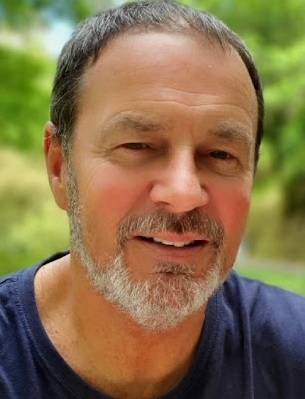 You can contact Fraser here.
Fraser Carson is the founding partner of Wellington-based Flightdec.com. Flightdec’s kaupapa is to challenge the status quo of the internet to give access to more trustworthy and valuable citizen generated content, and to help improve connectivity and collaboration in communities.
Flightdec websites include: KnowThis.nz, REDOOR.net and Inhub.org.nz.
OTHER POSTS
... loading ...


