

 Tucket News Hub
New Zealand is breathtakingly beautiful, but it’s also breathtakingly vulnerable.
A recent study in the New Zealand Medical Journal revealed that none of our 10 most commonly prescribed medicines can be manufactured locally. In the event of a global catastrophe, our pharmaceutical supply could vanish overnight.
If that sounds alarming, it might be the least of your problems if a disaster strikes your community.
Our daily lives give us much we take for granted – cooking facilities, a comfortable bed and a flushable toilet. But imagine your home flattened by an earthquake or flood. Chances are, your neighbours’ homes will be, too. Roads are impassable, power lines are down, water, food, sewerage, and shelter – gone. Medical emergencies go unanswered, opportunistic crime spikes, scavenging animals roam the streets.
And help? It might be days, weeks, or even months away.
If you’re among the first to receive aid, it’s not because you’re lucky – it’s because your area is in crisis. Thousands of others will still be waiting.
Disasters don’t wait and neither should we. They strike without warning and don’t just destroy infrastructure – they seriously disrupt people’s lives and the social fabric.
Communities must be ready to fend for themselves, often for extended periods. Helicopters won’t be buzzing overhead with supplies. Instead, it’ll be your marae, your neighbours, your local leaders doing their best to help.
That’s why every community needs a plan. Not just a vague idea, but a clear, actionable strategy that includes:
• long-term food and water storage
• emergency shelter options
• assembly points and agreed meeting places
• communication plans for separated families
• information about where resources can be available
• education and drills in homes, schools, and workplaces.
I’ve been working with several communities where leaders are stepping up to prepare their neighbourhoods. They’re not waiting for government directives – they’re building resilience from the ground up.
Yes, central and local governments have contingency plans and capabilities. But top-down responses can go only so far.
Real preparedness starts with empowered communities. It’s people helping people. It’s local knowledge, shared resources, and collective action. That includes people thinking about how they might assist others, especially those most vulnerable – people with disabilities, children and older people.
The biggest hurdle? Apathy. Some deny the possibility of disaster. Others feel overwhelmed by the thought of its disruptive scale. But recent events – Christchurch’s earthquakes, Cyclone Gabrielle, and the increasing frequency of severe weather – prove that the threat is real and growing.
Naturally enough, the way forward is to build local resilience well before it’s needed. Planning inertia can be overcome by imagining a major event will hit in six-months’ time – what are all the things a community can do in only six months to be better prepared? Then, in five or 10 years, a community could be extraordinarily resilient.
Disaster preparedness isn’t paranoia – it’s pragmatism. It’s not just about survival – it’s about building community cohesion in the face of inevitability.
Disclaimer: Flightdec is working with local communities, using specialised online capabilities, alongside Hono – Māori Emergency Management Network and the Natural Hazards Inc (capability cluster).

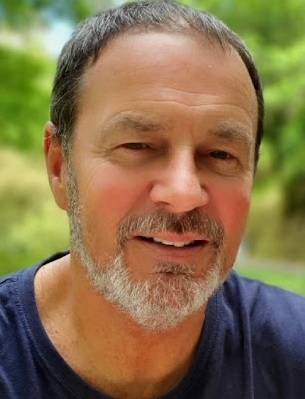 You can contact Fraser here.
Fraser Carson is the founding partner of Wellington-based Flightdec.com. Flightdec’s kaupapa is to challenge the status quo of the internet to give access to more trustworthy and valuable citizen generated content, and to help improve connectivity and collaboration in communities.
Flightdec websites include: KnowThis.nz, REDOOR.net and Inhub.org.nz.
OTHER POSTS
... loading ...


