


 Tucket News Hub
In New Zealand, civil emergencies aren’t a matter of if, but when.
These risks include earthquakes, tsunamis, volcanic eruptions, severe storms and flooding, but let’s not forget pandemics, infrastructure failure, and terrorism.
We might ask our local authorities and government: “What are you doing to help communities prepare and mitigate some of the risks?”
The inevitable answer from authorities is “a considerable amount”. However, when “the big one” happens it will be the resilience of each community that really makes the difference.
Just as it’s well known that good infrastructure (roads, bridges and buildings, etc) put a community in good stead for an emergency, so too is the less obvious stuff of cultural infrastructure – people being prepared, having knowledge about what to do and an ability to pull together in a crisis.
In other words, if communities don’t empower themselves, don’t hold your breath that authorities and government can do it from the outside.
Emergency preparedness can come from social cohesion and the engagement and resilience of citizens, and from self-empowered communities.
It isn’t a separate thing from daily life – it’s the same trust that lowers crime, the same connections that help young people thrive, the same resilience that fuels a strong local economy.
For example, if you know others in your neighbourhood, it’s possible you might lend a hand to those in need. It might be the elderly woman next door or the mother with a disabled child.
Then, in an emergency, you have connections and knowledge that they’ll need extra help.
But community emergency preparation is often submerged under a raft of supposedly more important issues a community faces. We invest billions in concrete and steel, while the invisible scaffolding of trust, knowledge, and neighbourliness is what holds us together when the ground shakes.
If these things seem obvious, I’m left wondering why we’re getting it so wrong?
Instead of social cohesion and empowered communities, we appear to be heading the opposite way, with a loss of meaningful interconnections and trust.
Part of the answer might be that local and central governments aren’t too fussed on “community empowerment” because their focus is top-down – projects, money control and risk management.
That might also go some way to explaining why many people no longer feel connected to the important things that matter in their daily lives and community.
At a recent conference I saw an example of that disconnection. A prominent New Zealand economist said something profoundly obvious: “Economies are for people.”
But aren’t economies for wealth creation and business? One could assume this, given financial and investment news is generally confined to the finance and business sections of our media.
“Economies are for people.” He tangata, he tangata, he tangata.
Come to think of it, doesn’t the same apply to:
“Infrastructure is for people.”
“Education is for people.”
“Communities are for people.”
We shouldn’t wait for disaster to test our cohesion. Let’s build it now – through neighbourhood networks, shared knowledge, and a culture that remembers that communities are for people.
Disclaimer: Flightdec is working with local communities, using specialised online capabilities, alongside Hono – Māori Emergency Management Network and the Natural Hazards Inc (capability cluster).

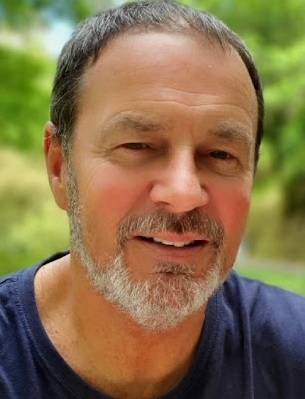 You can contact Fraser here.
Fraser Carson is the founding partner of Wellington-based Flightdec.com. Flightdec’s kaupapa is to challenge the status quo of the internet to give access to more trustworthy and valuable citizen generated content, and to help improve connectivity and collaboration in communities.
Flightdec websites include: KnowThis.nz, REDOOR.net and Inhub.org.nz.
OTHER POSTS
... loading ...


